
Introduction
Fiber intake is one of the most important yet often misunderstood parts of healthy eating. Many people focus on protein, fats, or calories, but fiber quietly supports almost every system in the body. From digestion to heart health, proper fiber intake plays a key role in feeling energetic, balanced, and well nourished. Unfortunately, most beginners do not know how much fiber they need or how to include it correctly in daily meals.
In simple terms, fiber comes from plant foods and helps the body process food more smoothly. It supports digestion, controls blood sugar, and helps maintain a healthy weight. Still, many people eat far less fiber than recommended. Busy lifestyles, processed foods, and lack of knowledge often lead to low fiber intake over time.
This guide is written for beginners and intermediate readers who want clear and practical information. You will learn what fiber intake really means, why it matters, and how to improve it step by step without stress. The goal is not to follow a strict diet but to build better habits that last.
Throughout this article, you will find easy explanations, examples, and tips you can apply right away. Whether you want better digestion, more energy, or long-term wellness, understanding fiber intake is a smart place to start. By the end, you will feel confident making fiber a natural part of your everyday meals.
What is Fiber Intake?
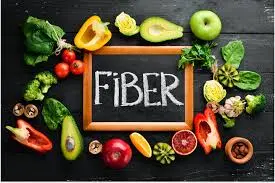
Fiber intake refers to the amount of dietary fiber you consume from foods each day. Dietary fiber is a type of carbohydrate found in plant-based foods that the body cannot fully digest. Instead of being broken down for energy, fiber moves through the digestive system, providing several health benefits.
There are two main types of fiber that shape healthy fiber intake.
Soluble fiber dissolves in water and forms a gel-like substance in the gut. It helps slow digestion and supports stable blood sugar levels. Foods like oats, beans, apples, and citrus fruits contain soluble fiber.
Insoluble fiber does not dissolve in water. It adds bulk to stool and helps food move through the digestive tract more easily. Whole grains, vegetables, and nuts are common sources of insoluble fiber.
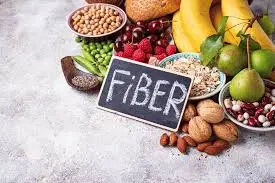
Both types are important, and a balanced fiber intake includes a mix of each. Fiber is found only in plant foods, such as fruits, vegetables, legumes, whole grains, seeds, and nuts. Animal-based foods do not provide fiber.
Understanding fiber intake is not about counting every gram. It is about choosing more whole, natural foods and reducing heavily processed options. Over time, these small choices add up to better health.
Why is Fiber Intake Important?
Fiber intake is important because it supports many essential body functions. Without enough fiber, digestion slows, blood sugar can spike, and long-term health risks may increase.
First, fiber supports digestive health. It helps prevent constipation by keeping stools soft and regular. A healthy digestive system also supports better nutrient absorption.
Second, fiber intake helps manage blood sugar levels. Soluble fiber slows the absorption of sugar, which is especially helpful for people trying to avoid energy crashes or manage diabetes risk.
Third, fiber supports heart health. It can help lower bad cholesterol levels, which reduces strain on the heart and blood vessels.
In addition, fiber intake helps with weight control. High-fiber foods are filling and help you feel satisfied longer, reducing unnecessary snacking.
Finally, fiber feeds beneficial gut bacteria. A healthy gut microbiome supports immunity, mood, and overall wellness.
Simply put, fiber intake is a foundation of long-term health and disease prevention.
Detailed Step-by-Step Guide
Step 1: Know Your Daily Fiber Needs
Understanding how much fiber you need is the first step. Most adults benefit from 25 to 38 grams of fiber per day, depending on age and gender.
Instead of aiming for a perfect number, focus on gradual improvement. If your current fiber intake is low, increasing it slowly helps avoid discomfort.
Step 2: Choose Whole Foods First
Whole foods naturally contain more fiber than processed foods. Focus on fruits, vegetables, whole grains, beans, and seeds.
Examples include brown rice instead of white rice, whole fruit instead of juice, and beans instead of refined snacks.
Step 3: Balance Soluble and Insoluble Fiber
A healthy fiber intake includes both soluble fiber and insoluble fiber. Eating a variety of plant foods usually provides this balance naturally.
For example, oatmeal with berries offers soluble fiber, while vegetables and whole grains add insoluble fiber.
Step 4: Increase Fiber Intake Gradually
Sudden increases in fiber intake can cause bloating or gas. Add fiber slowly over several days or weeks to let your body adjust.
Start by adding one fiber-rich food per meal rather than changing everything at once.
Step 5: Drink Enough Water
Fiber works best when paired with proper hydration. Water helps fiber move smoothly through the digestive system.
Aim to drink water consistently throughout the day, especially as your fiber intake increases.
Step 6: Read Food Labels Carefully
Food labels can help you track fiber intake. Look for products with higher fiber content and fewer added sugars.
Choose items with at least three grams of fiber per serving when possible.
Step 7: Build Fiber Into Every Meal
Try to include a fiber source in each meal. Breakfast might include oats or fruit, lunch could include vegetables and beans, and dinner may feature whole grains.
Snacks like nuts, seeds, or fresh fruit also support daily fiber intake.
Benefits of Fiber Intake
- Supports healthy digestion and regular bowel movements
- Helps control blood sugar levels
- Lowers bad cholesterol and supports heart health
- Aids in weight management by increasing fullness
- Feeds beneficial gut bacteria
- Supports long-term disease prevention
- Improves overall dietary quality
Disadvantages / Risks
- Sudden high fiber intake may cause bloating
- Excess fiber without water can lead to constipation
- Some people may experience gas or discomfort
- Very high fiber intake may reduce mineral absorption
- Relying on supplements instead of food may limit benefits
Common Mistakes to Avoid

One common mistake is increasing fiber intake too quickly. This often leads to digestive discomfort and discouragement.
Another mistake is focusing on fiber supplements instead of real foods. Whole foods provide additional nutrients that supplements lack.
Many people also forget to drink enough water, which reduces fiber effectiveness.
Skipping meals or relying on processed foods can lower overall fiber intake.
Finally, ignoring food variety limits the balance of soluble fiber and insoluble fiber.
FAQs
What is the best way to start improving fiber intake?
Start by adding one or two fiber-rich foods daily. Gradual changes help your body adjust comfortably.
Can fiber intake help with weight loss?
Yes, fiber helps you feel full longer, which can reduce overeating and support weight control.
Is too much fiber intake harmful?
Excess fiber can cause discomfort, especially without enough water. Balance and moderation are key.
Are fiber supplements necessary?
Most people can meet fiber intake needs through food. Supplements may help in specific cases but are not always needed.
Does cooking reduce fiber content?
Cooking may slightly reduce fiber but does not remove it completely. Cooked vegetables still provide valuable fiber.
Can children benefit from fiber intake?
Yes, children also need fiber for digestion and overall health, but amounts should match their age and needs.
Expert Tips & Bonus Points
Focus on consistency rather than perfection. Small daily improvements in fiber intake add up over time.
Mix different colors of fruits and vegetables to naturally increase fiber variety.
Plan meals ahead to avoid low-fiber food choices during busy days.
Listen to your body and adjust fiber intake based on comfort and digestion.
Conclusion
Fiber intake is one of the simplest yet most powerful ways to support overall health. While it may not seem exciting at first, fiber quietly improves digestion, balances blood sugar, supports heart health, and helps maintain a healthy weight. Many people struggle with low fiber intake simply because they do not know where to start or how to make lasting changes.
The good news is that improving fiber intake does not require extreme diets or complicated plans. By choosing more whole foods, adding fruits and vegetables to meals, and increasing fiber gradually, anyone can build healthier habits. Drinking enough water and balancing soluble fiber with insoluble fiber makes the process even smoother.
Mistakes may happen along the way, but they are part of learning. Paying attention to how your body responds and adjusting slowly helps prevent discomfort. Over time, better fiber intake becomes natural and enjoyable.