Introduction
Mental wellness is an important part of living a happy, healthy, and meaningful life. In today’s fast-moving world, many people focus only on physical health while ignoring their thoughts, emotions, and inner balance. However, mental wellness affects how we think, feel, act, and handle daily challenges. Without it, even simple tasks can feel heavy and overwhelming.
Mental wellness does not mean feeling happy all the time. Instead, it means understanding your emotions, managing stress, building healthy relationships, and staying mentally balanced during both good and bad times. When your mind is healthy, you can make better decisions, enjoy life more, and handle pressure with confidence.
Many beginners believe mental wellness is only about avoiding mental illness. In reality, it is about daily habits, mindset, and self-care practices that support emotional strength and mental clarity. From students and working professionals to parents and older adults, everyone can benefit from improving mental wellness.
This guide is written in simple English to help beginners and intermediate readers understand mental wellness step by step. You will learn what it means, why it is important, how to improve it, and what mistakes to avoid. By the end, you will have practical tools to build emotional balance, reduce stress, and create a healthier relationship with your mind.
What Is Mental Wellness?

Mental wellness refers to a state of emotional, psychological, and social well-being. It describes how well you cope with daily stress, connect with others, and make choices that support your overall life goals.
Mental wellness is not about being perfect or stress-free. Everyone experiences sadness, anger, or fear at times. The key difference is how you manage these feelings. A mentally well person can recognize emotions, accept them, and respond in a healthy way.
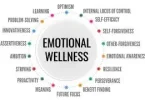
This concept includes several areas such as emotional awareness, positive thinking, self-respect, and resilience. It also involves maintaining balance between work, rest, and personal life. When mental wellness is strong, you feel more in control and confident in handling life’s ups and downs.
Why Is Mental Wellness Important?
Mental wellness plays a major role in your overall quality of life. It influences how you handle pressure, communicate with others, and see yourself.
When mental wellness is neglected, stress can grow into anxiety, burnout, or emotional exhaustion. On the other hand, strong mental wellness supports calm thinking and emotional stability.
It also affects physical health. Ongoing stress can weaken the immune system, disturb sleep, and increase the risk of long-term health issues. By caring for your mind, you also protect your body.
Mental wellness improves focus, productivity, and creativity. It helps you build healthier relationships and make thoughtful decisions. Most importantly, it allows you to enjoy life with a sense of purpose and balance.
Detailed Step-by-Step Guide
Step 1: Build Emotional Awareness
Start by noticing your thoughts and feelings without judgment. Pay attention to emotional patterns during the day.
Write down how you feel in different situations. This helps you understand triggers and emotional reactions.
With awareness, you gain control over how you respond instead of reacting automatically.
Step 2: Practice Stress Management
Stress is a normal part of life, but unmanaged stress harms mental wellness.
Use simple techniques like deep breathing, short breaks, or stretching to calm your mind. Even five minutes of quiet time can make a difference.
Learning to pause before reacting helps reduce emotional overload.
Step 3: Create Healthy Daily Routines
Daily routines bring structure and stability. Regular sleep, balanced meals, and movement support emotional well-being.
Avoid irregular habits that disrupt your body clock. A consistent routine helps your mind feel safe and balanced.
Small daily habits build long-term mental wellness.
Step 4: Improve Thought Patterns
Negative self-talk can weaken emotional well-being. Replace harsh thoughts with kind and realistic ones.
For example, instead of saying “I always fail,” say “I am learning and improving.”
Positive thinking does not mean ignoring problems. It means facing challenges with a supportive mindset.
Step 5: Strengthen Social Connections
Healthy relationships support mental wellness. Spend time with people who listen and respect you.
Talk openly about your feelings when you feel comfortable. Sharing reduces emotional burden.
Even simple conversations can improve mood and reduce loneliness.
Step 6: Set Boundaries
Protect your mental energy by learning to say no. Overcommitting leads to stress and exhaustion.
Set clear limits at work and in personal life. Boundaries create space for rest and self-care.
Respecting your limits supports emotional balance.
Step 7: Practice Self-Care Regularly
Self-care is not selfish. It is necessary for mental wellness.
Choose activities that relax and recharge you, such as reading, walking, or quiet reflection.
Consistent self-care builds emotional strength and clarity.
Benefits of Mental Wellness
- Improves emotional balance and self-confidence
- Reduces stress and anxiety levels
- Enhances focus and decision-making
- Supports healthier relationships
- Boosts productivity and creativity
- Strengthens emotional resilience
- Encourages positive life outlook
Disadvantages / Risks
- Ignoring mental wellness can lead to burnout
- Poor emotional control may affect relationships
- Chronic stress can impact physical health
- Lack of self-awareness increases emotional confusion
- Unmanaged emotions may reduce work performance
Common Mistakes to Avoid

One common mistake is believing mental wellness requires big changes. Small daily steps are more effective.
Another mistake is ignoring emotions instead of understanding them. Suppressed feelings often return stronger.
Comparing your journey to others can also harm emotional well-being. Everyone grows at their own pace.
Avoid expecting instant results. Mental wellness is a continuous process, not a quick fix.
FAQs
What is the difference between mental wellness and mental health?
Mental health often focuses on conditions or disorders, while mental wellness focuses on daily habits that support emotional balance and well-being.
Can mental wellness improve physical health?
Yes, reduced stress and better emotional control support immune function, sleep quality, and overall physical health.
How long does it take to improve mental wellness?
Improvement depends on consistency. Small changes practiced daily can show positive effects within weeks.
Is mental wellness only for people with stress?
No, mental wellness benefits everyone, even those who feel emotionally stable. It helps maintain balance and prevent future issues.
Can beginners practice mental wellness easily?
Yes, simple habits like breathing exercises, journaling, and routine building are beginner-friendly.
Does mental wellness require professional help?
Not always. However, professional support can be helpful when emotional challenges feel overwhelming.
Expert Tips & Bonus Points
Focus on progress, not perfection. Mental wellness grows through patience and practice.
Create a calm morning routine to set a positive tone for the day.
Limit negative media intake to protect emotional well-being.
Celebrate small wins to build confidence and motivation.
Check in with yourself weekly to reflect on emotional needs.
Conclusion
Mental wellness is a lifelong journey that shapes how you experience the world. It influences your thoughts, emotions, actions, and relationships. By understanding and practicing mental wellness, you create a strong foundation for emotional balance and inner peace.
This guide showed that mental wellness is not complicated or unreachable. It starts with awareness, healthy routines, positive thinking, and self-care. Small steps taken consistently lead to meaningful change. You do not need to control every emotion, but you can learn to respond with clarity and calm.
In a world full of pressure and distractions, caring for your mental wellness is one of the most valuable investments you can make. It helps you face challenges with confidence, enjoy daily moments, and build a life aligned with your values.