
Introduction
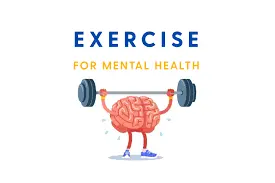
Exercise for mental health is one of the most natural and effective ways to improve how you feel, think, and cope with daily life. Many people believe exercise is only about weight loss or physical strength, but its impact on the mind is just as powerful. When done regularly, exercise can help reduce stress, lift mood, and bring a sense of balance to your life. The good news is that you do not need to be an athlete or spend hours in a gym to see results.
In today’s fast-paced world, mental health challenges such as anxiety, low mood, and constant stress are becoming more common. Work pressure, social responsibilities, and screen time often leave the mind tired and overwhelmed. This is where exercise for mental health plays a key role. Simple movements like walking, stretching, or light workouts can calm the mind and improve emotional strength.
This article is designed for beginners and intermediate readers who want clear and practical guidance. You will learn what exercise for mental health really means, why it matters, and how to start step by step. The guide also covers benefits, possible risks, common mistakes, and expert tips to help you stay consistent. By the end, you will understand how physical activity and mental health are closely connected and how small daily actions can lead to long-term mental wellness.
What is Exercise for Mental Health?

Exercise for mental health refers to any physical activity that supports emotional well-being, mental clarity, and psychological balance. It includes movements that help the brain release chemicals that improve mood and reduce stress. These activities do not have to be intense or complex. Even gentle exercise can make a meaningful difference.
Mental health exercises can include walking, jogging, yoga, swimming, cycling, or simple home workouts. The focus is not on performance but on how the activity makes you feel mentally. When you move your body, your brain responds by releasing endorphins and other feel-good chemicals. These chemicals help reduce feelings of anxiety and sadness.
Exercise for mental health is also about routine and self-care. Setting aside time to move your body sends a positive message to your mind. It shows that your well-being matters. Over time, this habit can improve self-esteem, focus, and emotional control.
In simple terms, exercise for mental health is using movement as a tool to support your mind. It works alongside other healthy habits like proper sleep, balanced nutrition, and relaxation practices.
Why is Exercise for Mental Health Important?
Exercise for mental health is important because it supports the mind in ways that medication or talk alone sometimes cannot. Movement creates a direct connection between the body and brain. When you exercise, blood flow increases, delivering oxygen and nutrients to the brain. This helps improve brain function and emotional stability.
Another reason exercise for mental health matters is its role in stress management. Physical activity lowers stress hormones such as cortisol. At the same time, it increases chemicals that help you feel calm and positive. This balance makes it easier to handle daily challenges.
Exercise also improves sleep quality, which is closely linked to mental health. People who move regularly often fall asleep faster and enjoy deeper rest. Better sleep leads to improved mood, memory, and decision-making.
Finally, exercise for mental health builds resilience. It teaches discipline, patience, and self-trust. These qualities help you face emotional ups and downs with more confidence. Over time, regular exercise becomes a strong foundation for long-term mental wellness.
Detailed Step-by-Step Guide
Step 1: Set a Clear and Realistic Goal
Start with a simple goal that feels achievable. Your goal might be to feel calmer, reduce stress, or improve focus. Avoid setting goals based only on appearance or performance.
Examples of beginner goals include:
- Walking for ten minutes a day
- Stretching every morning
- Doing light exercise three times a week
Clear goals make it easier to stay motivated and track progress.
Step 2: Choose the Right Type of Exercise
Not all exercises feel the same to everyone. Choose activities you enjoy and feel comfortable doing. This increases the chance of consistency.
Popular mental health exercises include:
- Walking or light jogging for relaxation
- Yoga for calm and balance
- Strength training for confidence
- Dancing for mood improvement
Enjoyment is more important than intensity.
Step 3: Start Slow and Build Gradually
Many people make the mistake of doing too much too soon. This can lead to burnout or injury. Begin with short sessions and low intensity.
For example:
- Start with five to ten minutes
- Increase time slowly each week
- Listen to your body signals
Gradual progress helps build a lasting habit.
Step 4: Create a Simple Routine
Consistency is key for exercise for mental health. Pick a time that fits your daily schedule. Morning exercise can boost energy, while evening sessions can reduce stress.
Tips for routine building:
- Exercise at the same time daily
- Prepare clothes in advance
- Treat exercise as a personal appointment
A routine reduces decision fatigue and increases success.
Step 5: Focus on Mindful Movement
Mindful movement means paying attention to how your body feels during exercise. Notice your breathing, posture, and muscle movement.
This practice helps:
- Reduce racing thoughts
- Improve body awareness
- Increase relaxation benefits
Mindfulness turns simple exercise into a powerful mental health tool.
Step 6: Track Your Feelings, Not Just Results
Instead of only tracking steps or calories, note how you feel after exercise. Write down mood changes, energy levels, or stress reduction.
This helps you see the mental health benefits clearly and stay motivated.
Benefits of Exercise for Mental Health
- Improves mood and emotional balance
- Reduces stress and anxiety levels
- Supports better sleep quality
- Boosts self-confidence and self-esteem
- Improves focus and mental clarity
- Helps manage symptoms of depression
- Encourages positive daily routines
- Builds emotional resilience over time
Disadvantages / Risks
- Overtraining can increase fatigue and stress
- Lack of rest may lead to burnout
- Injury risk if exercises are done incorrectly
- Unrealistic expectations may cause frustration
- Comparing progress with others can harm motivation
Common Mistakes to Avoid
One common mistake is treating exercise as a punishment. Exercise for mental health should feel supportive, not stressful. Avoid forcing yourself into routines you dislike.
Another mistake is expecting instant results. Mental health improvements take time. Small changes add up with consistency.
Skipping rest days is also a problem. Rest is part of progress. Your mind and body need time to recover.
Finally, avoid negative self-talk. Missing a session does not mean failure. Focus on long-term habits rather than perfection.
FAQs
How often should I exercise for mental health?
Most experts suggest three to five times a week. Even short daily sessions can be effective if done consistently.
Can exercise replace therapy or medication?
Exercise supports mental health but does not replace professional care. It works best as part of a balanced approach.
What is the best exercise for anxiety?
Gentle activities like walking, yoga, and swimming are often helpful for reducing anxiety.
How long before I see mental health benefits?
Some people feel better after one session. Long-term benefits usually appear after a few weeks of regular practice.
Is exercise for mental health suitable for all ages?
Yes, with proper adjustments. Children, adults, and older people can all benefit from suitable activities.
What if I lack motivation to start?
Start very small. Even two minutes of movement can help break the cycle of inactivity.
Expert Tips & Bonus Points
Focus on progress, not perfection. Small efforts matter more than intense sessions.
Mix different activities to avoid boredom. Variety keeps the mind engaged.
Pair exercise with something enjoyable, like music or fresh air.
Celebrate consistency rather than results. Showing up is a success.
Listen to your body and respect its limits. Balance effort with rest.
Conclusion
Exercise for mental health is a simple yet powerful way to support your emotional and psychological well-being. It does not require expensive equipment, long hours, or perfect conditions. What matters most is consistency, enjoyment, and self-awareness. Through regular movement, your brain learns to manage stress better, regulate mood, and build emotional strength.
This guide has shown that exercise for mental health is not about pushing your limits but about caring for your mind through movement. From understanding its importance to following a step-by-step approach, you now have the tools to start or improve your routine. The benefits go beyond physical fitness and reach into daily happiness, confidence, and mental clarity.