
Introduction
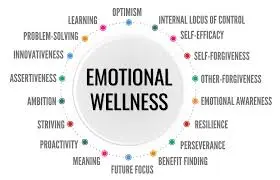
Emotional wellness is a key part of living a balanced and satisfying life. It affects how we think, feel, and act every day. When emotional wellness is strong, people handle stress better, build healthy relationships, and make thoughtful decisions. When it is weak, even small challenges can feel overwhelming and draining.
In today’s fast-moving world, many people focus on physical health but ignore their emotional health. However, emotional wellness is just as important as eating well or exercising regularly. It helps you understand your emotions, express them in healthy ways, and cope with life’s ups and downs with confidence. Emotional wellness does not mean being happy all the time. Instead, it means being aware of your feelings and managing them wisely.
This guide is designed for beginners and intermediate readers who want simple, practical information. You will learn what emotional wellness really means, why it matters, and how to improve it step by step. The goal is to help you build emotional strength without pressure or unrealistic expectations.
By the end of this article, you will have a clear understanding of emotional wellness and how to apply it in daily life. With patience and consistent effort, emotional wellness can become a powerful foundation for long-term mental well-being and personal growth.
What Is Emotional Wellness?
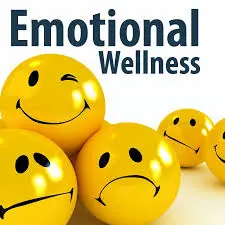
Emotional wellness refers to the ability to understand, accept, and manage your emotions in a healthy way. It is about recognizing how you feel, why you feel that way, and how your emotions influence your thoughts and actions. Emotional wellness allows you to respond to situations calmly instead of reacting impulsively.
People with strong emotional wellness are not free from stress or sadness. Instead, they have the skills to cope with difficult emotions without feeling stuck or defeated. They allow themselves to feel emotions fully while still maintaining control and balance.
Emotional wellness is closely connected to emotional well-being and mental well-being. It supports self-awareness, emotional balance, and positive relationships. For example, someone with good emotional wellness can communicate feelings clearly, set boundaries, and recover from emotional setbacks faster.
This concept also includes self-compassion and emotional responsibility. Rather than blaming others for feelings, emotionally well individuals take ownership of their emotional experiences. Over time, emotional wellness becomes a habit that supports growth, resilience, and inner peace.
Why Is Emotional Wellness Important?
Emotional wellness plays a vital role in overall health and quality of life. When emotional health is strong, people are better equipped to handle daily stress, work pressure, and personal challenges. Without emotional wellness, stress can build up and affect physical health, sleep, and relationships.
One major reason emotional wellness is important is its impact on decision-making. Emotions influence choices more than most people realize. When emotions are unmanaged, decisions may be driven by fear, anger, or anxiety. Emotional wellness helps people pause, reflect, and respond thoughtfully.
Another reason emotional wellness matters is its connection to mental well-being. Poor emotional management can increase the risk of burnout, anxiety, and emotional exhaustion. On the other hand, healthy emotional habits promote confidence, clarity, and motivation.
Emotional wellness also improves relationships. Understanding your emotions makes it easier to understand others. This leads to better communication, empathy, and trust. In the long term, emotional wellness supports personal success, emotional stability, and a stronger sense of purpose.
Detailed Step-by-Step Guide
Step 1: Build Emotional Awareness
The first step toward emotional wellness is becoming aware of your emotions. Many people ignore or suppress feelings, which often leads to emotional buildup. Awareness starts by noticing what you feel throughout the day.
Take time to pause and identify emotions. Ask yourself simple questions like, “What am I feeling right now?” and “Why do I feel this way?” Naming emotions reduces confusion and helps you respond calmly.
Writing emotions in a journal can also increase awareness. Over time, patterns become clear, making emotional management easier and more effective.
Step 2: Accept Your Emotions Without Judgment
Acceptance is essential for emotional wellness. Emotions are neither good nor bad; they are signals. Judging yourself for feeling angry, sad, or anxious only increases emotional stress.
Allow emotions to exist without resistance. Acceptance does not mean acting on every emotion. It means acknowledging feelings without guilt or shame.
When emotions are accepted, they often pass more quickly. This practice builds emotional balance and reduces inner conflict over time.
Step 3: Learn Healthy Emotional Expression
Emotional wellness depends on expressing emotions in healthy ways. Bottling emotions can lead to frustration and emotional burnout. Explosive expression can harm relationships.
Healthy expression includes calm communication, writing, creative activities, or physical movement. For example, talking openly with someone you trust can relieve emotional tension.
Learning to express emotions respectfully improves emotional health and strengthens connections with others.
Step 4: Develop Coping Skills for Stress
Stress is unavoidable, but emotional wellness depends on how stress is handled. Coping skills help manage emotional reactions during challenging moments.
Simple techniques include deep breathing, taking short breaks, or practicing mindfulness. These tools calm the nervous system and restore emotional balance.
Consistent stress management reduces emotional overload and improves long-term mental well-being.
Step 5: Set Emotional Boundaries
Emotional boundaries protect your energy and emotional health. They help you decide what behavior you accept from others and how much emotional involvement is healthy.
Setting boundaries may feel uncomfortable at first, but it prevents resentment and emotional exhaustion. Clear boundaries create respect and emotional safety.
Over time, boundaries support emotional wellness by maintaining balance between giving and self-care.
Step 6: Practice Self-Compassion Daily
Self-compassion is a core part of emotional wellness. It involves treating yourself with kindness during difficult moments instead of harsh criticism.
Mistakes and emotional struggles are part of being human. Self-compassion reduces emotional pressure and encourages growth.
Daily self-kindness strengthens emotional resilience and supports emotional well-being.
Benefits of Emotional Wellness
- Improves emotional health and emotional balance
- Strengthens coping skills during stress
- Enhances mental well-being and clarity
- Builds stronger, healthier relationships
- Increases self-awareness and confidence
- Supports better decision-making
- Reduces emotional burnout and fatigue
- Encourages long-term personal growth
Disadvantages and Risks

- Emotional avoidance can delay healing
- Overanalyzing emotions may cause confusion
- Suppressing feelings increases stress
- Poor boundaries can lead to emotional exhaustion
- Lack of support may slow progress
Common Mistakes to Avoid
Many people misunderstand emotional wellness and make avoidable mistakes. One common mistake is believing emotional wellness means constant happiness. This unrealistic expectation leads to frustration when negative emotions appear.
Another mistake is ignoring emotions until they become overwhelming. Emotional wellness requires regular attention, not crisis management. Suppressing emotions often leads to emotional outbursts later.
Comparing emotional progress to others is also harmful. Emotional wellness is personal and develops at different speeds. Patience is essential.
Finally, relying only on external validation weakens emotional health. True emotional wellness comes from internal awareness and self-trust.
FAQs
What is emotional wellness in simple terms?
Emotional wellness means understanding your feelings and handling them in healthy ways. It helps you stay balanced during stress and enjoy positive emotions fully.
How does emotional wellness affect daily life?
Emotional wellness influences how you react to situations, communicate with others, and manage stress. It improves focus, relationships, and overall satisfaction.
Can emotional wellness be learned?
Yes, emotional wellness is a skill that improves with practice. Awareness, acceptance, and healthy habits gradually strengthen emotional health.
How long does it take to improve emotional wellness?
There is no fixed timeline. Small daily efforts can create noticeable improvements within weeks, while long-term growth continues over time.
Is emotional wellness the same as mental health?
They are closely connected but not identical. Emotional wellness focuses on emotions, while mental health includes thoughts, behaviors, and psychological conditions.
Can emotional wellness improve relationships?
Yes, emotional wellness improves communication, empathy, and emotional understanding, leading to stronger and healthier relationships.
Expert Tips and Bonus Points
Consistency matters more than perfection in emotional wellness. Small daily habits create lasting change. Regular emotional check-ins help prevent emotional overload.
Listening to your body’s emotional signals improves awareness. Physical tension often reflects emotional stress. Paying attention builds emotional insight.
Seeking support is a strength, not a weakness. Talking with trusted people supports emotional growth and balance.
Conclusion
Emotional wellness is an essential foundation for a healthy, meaningful life. It influences how you handle stress, connect with others, and understand yourself. While emotional challenges are unavoidable, emotional wellness provides the tools to face them with confidence and clarity.
Developing emotional wellness is not about controlling emotions or avoiding discomfort. It is about awareness, acceptance, and healthy expression. With practice, emotional reactions become more balanced, and emotional resilience grows naturally.
By following simple steps such as building awareness, practicing self-compassion, and setting boundaries, emotional wellness becomes a daily habit rather than a distant goal. Over time, these habits strengthen emotional health and support long-term mental well-being.