
Introduction
Starting a fitness journey can be overwhelming, especially for beginners. Gym memberships, expensive equipment, and complicated routines often discourage many people from even trying. The good news is that you don’t need to step foot in a gym to get fit. Home workouts for beginners are a convenient, effective, and affordable way to improve your health, lose weight, and build strength—all from the comfort of your home.
Home workouts provide flexibility that gym schedules can’t. You can exercise in your living room, bedroom, or even your backyard, without worrying about crowded spaces or waiting for machines. More importantly, home workouts help you develop a consistent routine, which is key to long-term fitness success.
Whether your goal is to tone muscles, increase stamina, or simply stay active, there are exercises suitable for every fitness level. From bodyweight exercises to resistance training with minimal equipment, beginners can gradually progress while avoiding injuries.
In this guide, we’ll explore everything you need to know about home workouts for beginners. You’ll learn what these workouts are, why they matter, step-by-step routines, benefits, common mistakes, expert tips, and more. By the end, you’ll be ready to start your fitness journey confidently and effectively—without leaving your home.
What is Home Workouts for Beginners?
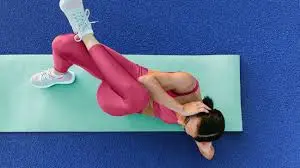
Home workouts for beginners are simple exercise routines designed for individuals who are new to fitness or returning after a long break. Unlike advanced training programs, these workouts focus on fundamental movements, proper form, and gradual progression.
Most beginner home workouts rely on bodyweight exercises such as squats, push-ups, lunges, and planks. These exercises don’t require any special equipment and are easy to follow. Some routines may incorporate minimal tools like resistance bands, dumbbells, or yoga mats, but they remain simple and accessible for anyone.
Home workouts are structured to target major muscle groups, improve cardiovascular fitness, and enhance flexibility. They often include a mix of strength training, cardio, and stretching exercises. By starting with beginner-friendly exercises, you reduce the risk of injury and build a solid foundation for more advanced fitness routines in the future.
Why is Home Workouts for Beginners Important?
Exercise is essential for maintaining physical and mental health, but not everyone can access gyms or personal trainers. Here’s why home workouts for beginners are so valuable:
- Convenience: You can exercise anytime without commuting to a gym.
- Cost-effective: No need for expensive memberships or equipment.
- Safety: Beginners can focus on form and avoid crowded spaces.
- Consistency: Easier to stick with a routine at home.
- Customization: Workouts can be tailored to your fitness level.
- Mental Health Benefits: Regular exercise reduces stress, anxiety, and depression.
By incorporating home workouts into your routine, you create a sustainable habit that can lead to long-term health improvements. It’s a practical solution for people with busy schedules, limited budgets, or those who prefer private spaces for exercise.
Detailed Step-by-Step Guide
Step 1: Warm-Up (5–10 Minutes)
Warming up prepares your body for exercise, increases blood flow, and reduces the risk of injury. Beginners should focus on gentle movements:
- Jumping Jacks – 1 minute
- Arm Circles – 30 seconds each direction
- Leg Swings – 10 each leg
- Marching in Place – 2 minutes
Step 2: Bodyweight Exercises
Bodyweight exercises build strength without equipment. Start with these beginner-friendly moves:
- Squats – 3 sets of 10–12 reps
Tips: Keep your chest up, knees behind toes. - Push-Ups – 3 sets of 5–10 reps
Tip: Modify by doing knee push-ups if needed. - Lunges – 3 sets of 8–10 reps per leg
Tip: Step forward, lower until both knees are at 90°. - Planks – 3 sets of 20–30 seconds
Tip: Keep your body in a straight line from head to heels.
Step 3: Cardio for Beginners
Cardio helps burn calories and improves heart health. At home, try:
- High Knees – 3 sets of 30 seconds
- Butt Kicks – 3 sets of 30 seconds
- Mountain Climbers – 3 sets of 15–20 reps
Step 4: Cool Down and Stretching
Cooling down relaxes your muscles and prevents stiffness:
- Hamstring Stretch – 30 seconds per leg
- Quadriceps Stretch – 30 seconds per leg
- Child’s Pose – 1 minute
- Shoulder Stretch – 30 seconds per arm
Optional Equipment for Beginners
- Resistance bands
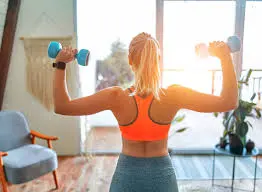
- Light dumbbells (2–5 kg)
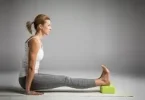
- Yoga mat
These tools enhance resistance and improve muscle engagement without overcomplicating your routine.
Benefits of Home Workouts for Beginners
Home workouts offer numerous physical, mental, and lifestyle benefits:
- Burn calories and lose weight
- Increase strength and muscle tone
- Improve cardiovascular health
- Boost flexibility and mobility
- Enhance mental well-being
- Build consistency and discipline
- Save time and money
- Reduce stress and improve sleep quality
Even 20–30 minutes of daily home exercise can significantly improve overall health and energy levels.
Disadvantages / Risks
While home workouts are convenient, beginners should be aware of potential risks:
- Improper Form: Without guidance, poor technique may cause injuries.
- Overtraining: Exercising too intensely too soon can strain muscles.
- Limited Equipment: Certain exercises may require gym tools for progress.
- Boredom: Repeating the same routines can reduce motivation.
- Space Constraints: Small homes may limit movement for some exercises.
Being mindful of these risks and following structured routines helps ensure safety and progress.
Common Mistakes to Avoid

- Skipping Warm-Up: Increases injury risk.
- Rushing Exercises: Sacrificing form reduces effectiveness.
- Neglecting Rest Days: Muscles need time to recover.
- Ignoring Nutrition: Exercise alone isn’t enough for results.
- Comparing Yourself to Others: Everyone’s progress is unique.
- Overloading Too Soon: Start slow and increase intensity gradually.
Avoiding these mistakes helps beginners enjoy safe and effective workouts.
FAQs
1. How long should a beginner workout at home?
Start with 20–30 minutes per session, 3–5 times per week. As your fitness improves, gradually increase duration and intensity.
2. Do I need equipment for home workouts?
No. Many exercises use only bodyweight. Resistance bands or light dumbbells can enhance results but are optional.
3. Can home workouts help me lose weight?
Yes. Combining cardio, strength training, and a healthy diet can help burn calories and reduce body fat.
4. How often should beginners exercise at home?
3–5 times a week is ideal. Include rest or active recovery days to prevent fatigue.
5. Are home workouts effective without professional guidance?
Absolutely. Beginners can follow guided routines online, track progress, and gradually increase intensity while focusing on proper form.
6. Can home workouts improve mental health?
Yes. Exercise releases endorphins, reduces stress, boosts mood, and improves sleep quality.
7. How can I stay motivated for home workouts?
Set realistic goals, track progress, vary exercises, and reward yourself for milestones. Consistency matters more than intensity.
Expert Tips & Bonus Points
- Start Small: Focus on 5–6 exercises per session and build gradually.
- Prioritize Form: Proper technique prevents injury and maximizes results.
- Consistency Over Intensity: Short, regular workouts are better than sporadic long sessions.
- Mix It Up: Combine strength, cardio, and flexibility exercises to prevent boredom.
- Track Progress: Keep a journal or use fitness apps to monitor improvements.
- Use Minimal Equipment: Resistance bands and dumbbells increase exercise variety without overwhelming beginners.
- Stay Hydrated: Drink water before, during, and after workouts.
- Set Realistic Goals: Focus on achievable milestones like increasing reps, duration, or flexibility.
- Listen to Your Body: Stop if you feel pain beyond normal muscle fatigue.
Bonus: Incorporating activities like yoga or Pilates can improve flexibility, core strength, and overall well-being while complementing regular home workouts.
Conclusion
Home workouts for beginners are an excellent way to start a fitness journey without the need for a gym, expensive equipment, or complicated routines. They are convenient, cost-effective, and adaptable to any schedule. By focusing on bodyweight exercises, cardio, and stretching, beginners can build strength, improve stamina, and enhance overall health.
The key to success is consistency, proper form, and gradually increasing intensity. Avoid common mistakes like skipping warm-ups, rushing exercises, or overtraining. Incorporating expert tips, minimal equipment, and varied routines ensures long-term results while keeping workouts engaging and safe.
Whether your goal is weight loss, muscle toning, or improving mental health, home workouts for beginners provide the foundation you need to achieve lasting results. Start small, stay consistent, and celebrate progress along the way. Fitness is not a destination—it’s a journey, and it can begin right in your own home today.