
Introduction
Healthy snacks are no longer just a trend. They have become an important part of modern lifestyles where people want better energy, improved focus, and balanced nutrition. For beginners, choosing the right snack can feel confusing. Shelves are full of colorful packages claiming to be healthy, yet many of them are full of sugar, salt, and unhealthy fats. That is why understanding healthy snacks is so important.
In simple terms, healthy snacks help bridge the gap between meals. They keep hunger under control and prevent overeating later. When chosen wisely, they also provide essential nutrients such as fiber, protein, vitamins, and minerals. For intermediate readers, healthy snacks can support specific goals like weight management, muscle recovery, or improved digestion.
Another reason healthy snacks matter is consistency. Eating well is not about strict diets. It is about making small, smart choices every day. A nutritious snack in the afternoon can improve mood, increase productivity, and stop energy crashes. For busy students, office workers, parents, and fitness lovers, healthy snacks offer a practical way to stay fueled.
This guide will walk you through everything you need to know. You will learn what healthy snacks really are, why they are important, how to choose them step by step, and what mistakes to avoid. By the end, you will feel confident making better snack choices that fit your daily routine and long-term health goals.
What is Healthy Snacks?

Healthy snacks are foods eaten between meals that provide nutritional value instead of empty calories. They are designed to satisfy hunger while supporting the body’s needs. Unlike processed snacks, healthy snacks focus on real ingredients.
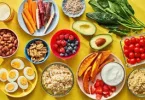
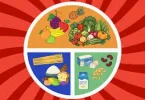
A good healthy snack usually contains a balance of nutrients. These include protein for fullness, fiber for digestion, and healthy fats or complex carbohydrates for steady energy. Examples include fresh fruits, nuts, yogurt, whole grains, and vegetables.
Healthy snacks are not about eating less. They are about eating smarter. Even small portions can be powerful when they include quality ingredients. For example, an apple with peanut butter is more nourishing than a bag of chips.
Another key feature is simplicity. Healthy snacks often need little or no preparation. This makes them easy to include in daily life. Whether at home, work, or on the go, healthy snacks are flexible and practical.
Why is Healthy Snacks Important?
Healthy snacks play a major role in maintaining stable energy levels throughout the day. When long gaps exist between meals, blood sugar can drop. This leads to tiredness, irritability, and poor concentration.
Snacking the right way also supports metabolism. It helps the body use nutrients efficiently and prevents extreme hunger. As a result, people are less likely to overeat during main meals.
For those focused on weight control, healthy snacks can be a helpful tool. They reduce cravings for sugary or salty junk foods. Choosing nutritious snacks also supports portion control.
Healthy snacks are important for physical performance too. Active people benefit from snacks that provide protein and carbohydrates. These help with muscle recovery and endurance.
Most importantly, healthy snacks support long-term wellness. They provide essential nutrients that may be missing from meals. Over time, these small choices can improve digestion, heart health, and overall vitality.
Detailed Step-by-Step Guide
Step 1: Understand Your Hunger
Before choosing a snack, identify if you are truly hungry. Sometimes thirst, stress, or boredom feels like hunger. Drink water and wait a few minutes.
If hunger remains, a healthy snack is a smart choice. Listening to your body helps prevent unnecessary eating.
Step 2: Choose Whole Foods First
Whole foods should be the base of healthy snacks. These foods are close to their natural form and contain fewer additives.
Examples include fruits, vegetables, nuts, seeds, eggs, and plain yogurt. These options provide natural nutrients and better satiety.
Step 3: Balance Macronutrients
A balanced snack includes at least two macronutrients. Protein and fiber are especially important.
For example:
- Greek yogurt with berries
- Hummus with carrot sticks
- Whole grain toast with avocado
This balance keeps you full longer.
Step 4: Watch Portion Sizes
Even healthy snacks can become unhealthy if eaten in large amounts. Portion control matters.
Use small bowls instead of eating from packages. This simple habit helps avoid overeating.
Step 5: Read Labels Carefully
When buying packaged snacks, read the ingredient list. Choose products with simple, recognizable ingredients.
Avoid snacks with excessive sugar, artificial flavors, or hydrogenated oils. Shorter ingredient lists are usually better.
Step 6: Plan Ahead
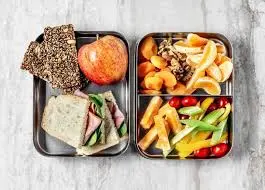
Planning prevents poor choices. Keep healthy snacks available at home, work, or in your bag.
Preparing snacks in advance saves time and reduces temptation. A little planning goes a long way.
Benefits of Healthy Snacks
- Provide steady energy throughout the day
- Help control hunger and cravings
- Support weight management goals
- Improve focus and productivity
- Supply essential vitamins and minerals
- Support digestion and gut health
- Aid muscle recovery for active individuals
Disadvantages / Risks
- Overeating can add extra calories
- Some packaged snacks may appear healthy but are not
- Poor portion control reduces benefits
- Allergies to nuts or dairy may limit options
- Convenience snacks can become expensive
Common Mistakes to Avoid
One common mistake is skipping snacks altogether. This often leads to overeating later. Another mistake is choosing snacks based only on calorie count, not nutrition.
Many people also rely too much on processed “health” bars. These often contain hidden sugars. Ignoring portion sizes is another issue, even with nutritious foods.
Finally, eating snacks without awareness can reduce benefits. Mindful eating makes healthy snacks more effective.
FAQs
Are healthy snacks good for weight loss?
Yes, healthy snacks can support weight loss when chosen wisely. They help control hunger and prevent overeating during meals. Focus on protein and fiber-rich options.
How many healthy snacks should I eat per day?
Most people benefit from one to two snacks per day. The exact number depends on activity level, meal timing, and personal needs.
Can healthy snacks replace meals?
Healthy snacks are not meant to replace full meals regularly. They work best as support between meals. Meals provide a wider range of nutrients.
Are fruits alone considered healthy snacks?
Fruits are healthy but pairing them with protein or fat is better. This combination keeps you full longer and balances blood sugar.
What are quick healthy snack ideas for busy people?
Examples include nuts, boiled eggs, yogurt, fruit with nut butter, or whole grain crackers with cheese. These require little preparation.
Are healthy snacks suitable for children?
Yes, healthy snacks are excellent for children. They support growth, energy, and focus. Choose simple, natural foods and avoid excess sugar.
Expert Tips & Bonus Points

Rotate your snacks to avoid boredom and ensure varied nutrition. Seasonal fruits and vegetables keep things interesting and affordable.
Pay attention to timing. A snack too close to a meal may reduce appetite. Aim for snacks midway between meals.
Listen to your body’s response. If a snack leaves you tired or hungry soon after, adjust ingredients. Personalization is key.
Keep healthy snacks visible and accessible. Out of sight often means out of mind.
Conclusion
Healthy snacks are a simple yet powerful tool for better daily nutrition. They help manage hunger, improve energy, and support overall health without complicated rules. For beginners, starting with whole foods and balanced combinations is enough. For intermediate readers, refining choices based on goals can bring even better results.
The key is consistency, not perfection. Healthy snacks do not need to be fancy or expensive. Simple foods prepared with awareness can make a big difference. Planning ahead and understanding your body’s needs will help you stay on track.
Remember that healthy snacks are part of a bigger picture. They support meals, not replace them. When chosen mindfully, they reduce cravings, improve focus, and support long-term wellness.