
Introduction
Healthy food choices are the foundation of a strong body, a clear mind, and a balanced lifestyle. In today’s busy world, many people struggle to decide what to eat, when to eat, and how much to eat. Fast food, processed snacks, and sugary drinks are everywhere, which makes healthy decisions feel confusing and overwhelming. However, learning the basics of healthy food choices does not have to be complicated or stressful.
When you understand how food affects your body, you can make smarter decisions without following strict diets or extreme rules. Healthy food choices are about balance, variety, and consistency. They help you feel more energetic, improve digestion, support mental focus, and lower the risk of many health problems. Most importantly, they are flexible and can fit into any lifestyle, budget, or culture.
This guide is designed for beginners and intermediate readers who want clear, practical advice. You will learn what healthy food choices really mean, why they matter, and how to apply them step by step. The goal is not perfection, but progress. Small, steady improvements in daily eating habits can lead to powerful long-term results.
By the end of this article, you will feel more confident about selecting nutritious foods, avoiding common mistakes, and building healthy eating habits that last. With the right knowledge and mindset, healthy food choices can become a natural part of your everyday life.
What Are Healthy Food Choices?

Healthy food choices refer to selecting foods that provide essential nutrients while supporting overall well-being. These foods fuel the body, protect against illness, and help maintain a balanced diet.
At their core, healthy food choices focus on quality rather than restriction. Instead of labeling foods as “good” or “bad,” the emphasis is on moderation and nourishment. Nutritious foods usually include whole, minimally processed ingredients that offer vitamins, minerals, fiber, protein, and healthy fats.
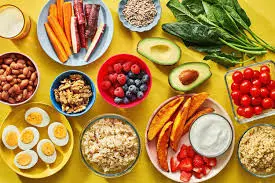
Examples of healthy food choices include fresh fruits, vegetables, whole grains, lean proteins, nuts, seeds, and natural fats. These foods work together to support digestion, immunity, and energy levels. At the same time, unhealthy options are often high in added sugars, unhealthy fats, and empty calories.
Healthy food choices also depend on personal needs. Age, activity level, health conditions, and cultural preferences all play a role. What matters most is choosing foods that help your body function at its best while still enjoying meals.
Why Are Healthy Food Choices Important?
Healthy food choices are important because they directly affect how your body and mind perform each day. Food is not just fuel; it is information that tells your body how to grow, repair, and protect itself.
First, good nutrition supports physical health. Eating a balanced diet helps maintain a healthy weight, strengthens bones, and supports heart health. It also reduces the risk of chronic conditions such as diabetes and high blood pressure.
Second, healthy food choices improve mental well-being. Nutrient-rich foods support brain function, memory, and mood. People who eat well often report better focus and emotional balance.
Finally, healthy food choices support long-term wellness. Consistent habits over time matter more than short-term changes. When you eat well regularly, your body becomes stronger, more resilient, and better equipped to handle stress.
Detailed Step-by-Step Guide
Step 1: Understand Food Groups
Learning basic food groups is the first step toward healthy food choices. Each group provides unique benefits.
- Fruits and vegetables provide vitamins, minerals, and fiber
- Whole grains supply long-lasting energy
- Proteins support muscle repair and growth
- Healthy fats support brain and heart health
A balanced diet includes all these groups in proper portions.
Step 2: Read Food Labels Carefully
Food labels help you make informed decisions. Look at serving sizes, ingredients, and nutrient values.
Focus on foods with simple ingredient lists. Avoid products with excessive added sugars, sodium, or artificial additives. Reading labels becomes easier with practice.
Step 3: Control Portion Sizes
Portion control is essential for healthy eating habits. Even nutritious foods can cause problems if eaten in excess.
Use smaller plates, eat slowly, and listen to hunger signals. These simple actions help prevent overeating.
Step 4: Choose Whole Foods More Often
Whole foods are closer to their natural state and usually more nutritious. Fresh produce, whole grains, and unprocessed proteins are excellent choices.
Replacing processed snacks with whole options improves energy and digestion over time.
Step 5: Plan Meals Ahead
Meal planning reduces stress and unhealthy decisions. Planning helps you stick to healthy food choices even on busy days.
Prepare meals in advance and keep healthy snacks available.
Step 6: Stay Hydrated
Water supports digestion, energy, and overall health. Drinking enough water also helps control appetite.
Choose water over sugary drinks whenever possible.
Benefits of Healthy Food Choices
- Improved energy levels throughout the day
- Better digestion and gut health
- Stronger immune system
- Improved focus and mental clarity
- Healthier weight management
- Reduced risk of chronic diseases
- Better mood and emotional balance
Disadvantages and Risks
- Initial cost may seem higher for fresh foods
- Requires planning and preparation time
- Confusing nutrition information can mislead beginners
- Over-restriction may lead to stress or burnout
- Social situations can feel challenging
Common Mistakes to Avoid

Many people make avoidable mistakes when trying to eat better. One common mistake is skipping meals, which often leads to overeating later. Another issue is relying on fad diets instead of balanced nutrition.
Avoid labeling foods as forbidden. This mindset can create guilt and unhealthy relationships with food. Also, do not expect instant results. Healthy food choices work gradually.
Finally, ignoring personal needs can lead to frustration. Everyone’s body responds differently, so flexibility is important.
FAQs
What are the easiest healthy food choices for beginners?
Start with simple swaps like fruits instead of sweets, whole grains instead of refined grains, and water instead of sugary drinks.
Can healthy food choices include snacks?
Yes. Healthy snacks such as nuts, yogurt, fruits, and vegetables help maintain energy between meals.
Are healthy food choices expensive?
They do not have to be. Buying seasonal produce, cooking at home, and planning meals can reduce costs.
How often should I eat healthy foods?
Aim to include nutritious foods at every meal. Consistency matters more than perfection.
Can I enjoy treats while eating healthy?
Yes. Occasional treats are part of balanced eating. Moderation is key.
How long does it take to see results?
Some benefits appear within days, such as improved energy. Long-term results develop over weeks and months.
Expert Tips and Bonus Points
Focus on progress, not perfection. Small changes lead to lasting habits. Keep meals colorful to ensure nutrient variety. Learn basic cooking skills to improve food quality. Listen to your body and adjust as needed.
Keeping a food journal can increase awareness and accountability. Also, involve family or friends for support and motivation. Healthy food choices become easier when shared.
Conclusion
Healthy food choices are a powerful tool for improving overall quality of life. They are not about strict rules or denying enjoyment, but about nourishing your body with foods that support long-term health. By understanding basic nutrition principles, choosing whole foods, and practicing balance, anyone can build sustainable eating habits.
The journey toward better eating starts with awareness. Small changes, such as reading labels, planning meals, and controlling portions, create meaningful results over time. Healthy food choices help improve energy, mood, digestion, and confidence. They also reduce the risk of many health problems and support mental clarity.
Remember that healthy eating is personal and flexible. There is no single perfect plan. What matters is consistency and a positive mindset. Allow room for enjoyment, learn from mistakes, and keep moving forward.