

Introduction
Mindfulness practices are simple yet powerful tools that help people slow down, feel calmer, and live with more awareness. In today’s fast-moving world, many beginners and intermediate learners feel stressed, distracted, or mentally tired. Mindfulness practices offer a practical way to reconnect with the present moment without needing special skills or beliefs. They focus on paying attention to thoughts, feelings, and body sensations in a gentle and non-judgmental way.
The primary keyword, mindfulness practices, is often linked with peace of mind, better focus, and emotional balance. However, these practices are not only for relaxation. They also help people understand their habits, reactions, and inner patterns. When practiced regularly, mindfulness can improve both mental clarity and emotional strength.
Many people think mindfulness is complicated or time-consuming. In reality, even a few minutes a day can make a meaningful difference. Whether you are new to mindfulness meditation or already familiar with mindful breathing, this guide will help you build a steady and realistic routine.
This article is written in simple English for beginners and intermediate readers. It explains what mindfulness practices are, why they matter, and how to apply them step by step in daily life. You will also learn common mistakes, benefits, risks, and expert tips. By the end, you will have a clear understanding of how daily mindfulness can become a natural part of your life.
What is Mindfulness Practices?
Mindfulness practices are activities that train the mind to stay focused on the present moment. Instead of worrying about the past or future, mindfulness teaches you to notice what is happening right now. This includes thoughts, emotions, body sensations, and surroundings.
At its core, mindfulness means paying attention with kindness and curiosity. You observe your experiences without trying to change or judge them. For example, during mindful breathing, you simply notice how the breath moves in and out of your body.
Mindfulness practices can be formal or informal. Formal practices include mindfulness meditation, body scans, and seated awareness exercises. Informal practices involve bringing mindful attention to daily activities such as eating, walking, or listening.
These practices are not about emptying the mind. Thoughts will naturally come and go. The goal is to notice them and gently return your focus to the present moment.
Over time, mindfulness practices help build awareness and emotional balance. They allow people to respond thoughtfully instead of reacting automatically. This makes mindfulness useful for daily life, work, relationships, and personal growth.
Why is Mindfulness Practices Important?
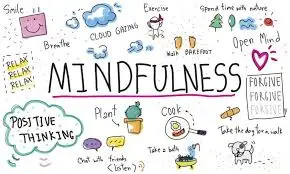
Mindfulness practices are important because they help people manage stress and improve mental well-being. Modern life often encourages multitasking and constant stimulation. This can lead to anxiety, burnout, and lack of focus.
By practicing mindfulness, individuals learn to pause and observe their experiences. This pause creates space between thoughts and actions. As a result, people make calmer and wiser choices.
Mindfulness practices also support emotional health. They help people recognize emotions without being overwhelmed by them. For example, noticing anger or sadness early can prevent emotional buildup.
Another reason mindfulness practices matter is their impact on focus and productivity. When the mind is present, tasks feel clearer and more manageable. This is helpful for both beginners and experienced professionals.
Mindfulness also improves self-awareness. Understanding personal patterns allows for healthier habits and better communication. Over time, this leads to stronger relationships and greater life satisfaction.
Finally, mindfulness practices promote balance. They remind people to slow down, breathe, and connect with themselves. In a busy world, this balance is essential for long-term well-being.
Detailed Step-by-Step Guide
Step 1: Preparing for Mindfulness
Start by choosing a quiet and comfortable space. You do not need special equipment. A chair, cushion, or floor space is enough.
Set a realistic time. Beginners can start with five minutes. Gradually increase as you feel comfortable.
Decide on a simple focus, such as breathing or body sensations. This helps anchor attention during practice.
Step 2: Mindful Breathing Practice
Sit in a relaxed but upright position. Close your eyes if it feels comfortable.
Bring attention to your breath. Notice the air entering and leaving your nose or chest.
When thoughts arise, acknowledge them gently. Then return focus to breathing.
Practice mindful breathing daily to build consistency and awareness.
Step 3: Body Scan Awareness
Lie down or sit comfortably. Slowly move attention through the body.
Start from the feet and move upward. Notice sensations without judgment.
If tension is present, observe it without trying to fix it.
This practice improves body awareness and relaxation.
Step 4: Mindfulness Meditation
Set a timer for your session. Sit quietly and focus on your chosen anchor.
Thoughts, sounds, or feelings may appear. Observe them calmly.
Return attention to your anchor whenever the mind wanders.
Mindfulness meditation strengthens focus and emotional stability.
Step 5: Daily Mindfulness Activities
Bring mindfulness into daily tasks. Eat slowly and notice flavors.
Walk with awareness of each step and breath.
Listen fully when someone speaks without planning responses.
Daily mindfulness makes practice practical and sustainable.
Benefits of Mindfulness Practices
- Reduces stress and anxiety levels
- Improves focus and concentration
- Enhances emotional regulation
- Supports better sleep quality
- Encourages self-awareness and clarity
- Builds patience and resilience
- Improves relationships through mindful listening
- Promotes overall mental well-being
Disadvantages / Risks
- Initial discomfort with silence or thoughts
- Requires regular practice for results
- May bring up difficult emotions
- Progress can feel slow for beginners
- Misunderstood as avoiding problems
Common Mistakes to Avoid

Many beginners expect immediate results. Mindfulness practices require patience and consistency.
Another mistake is judging thoughts. The goal is observation, not control.
Skipping practice due to busy schedules reduces benefits. Short sessions are better than none.
Comparing progress with others can cause frustration. Each journey is unique.
Practicing without guidance may lead to confusion. Simple instructions help build confidence.
FAQs
What are mindfulness practices?
Mindfulness practices are techniques that help focus attention on the present moment with awareness and acceptance.
How long should I practice mindfulness daily?
Beginners can start with five minutes. Consistency matters more than duration.
Is mindfulness meditation different from mindfulness practices?
Mindfulness meditation is one form of mindfulness practices. Others include mindful breathing and daily awareness.
Can mindfulness help with stress?
Yes, mindfulness practices are effective for managing stress and emotional tension.
Do I need a teacher to practice mindfulness?
A teacher can help, but many people learn through simple guided instructions.
Can mindfulness be practiced anywhere?
Yes, mindfulness can be practiced at home, work, or during daily activities.
Expert Tips & Bonus Points
Practice at the same time each day to build habit strength.
Use gentle reminders like alarms or notes.
Be kind to yourself during practice.
Start small and stay consistent.
Combine mindfulness with journaling for deeper insight.
Conclusion
Mindfulness practices offer a practical and gentle way to improve mental clarity, emotional balance, and daily awareness. They do not require special skills or long hours. Even short, consistent sessions can create meaningful changes over time. By focusing on the present moment, people learn to respond thoughtfully instead of reacting automatically.
This guide explained what mindfulness practices are, why they matter, and how to apply them step by step. From mindful breathing to daily mindfulness activities, each practice builds awareness and calm. While challenges and risks exist, understanding common mistakes helps maintain realistic expectations.
For beginners and intermediate readers, mindfulness practices can become a supportive life skill. They encourage patience, self-understanding, and emotional strength. With regular practice, mindfulness becomes less of a task and more of a way of living.