
Introduction
Physical fitness exercises are the foundation of a healthy and active life. They help your body stay strong, flexible, and energetic at every stage of life. Whether you are just starting your fitness journey or already have some experience, understanding how physical fitness exercises work can help you train smarter and stay consistent. Many people believe exercise is only about weight loss, but in reality, it improves mental health, boosts confidence, and supports long-term wellness.
In today’s busy lifestyle, people spend long hours sitting, using screens, and dealing with stress. This is where physical fitness exercises become even more important. They help balance your daily routine and protect your body from lifestyle-related problems. The good news is that you do not need expensive equipment or a gym membership to get started. Simple movements done correctly can deliver powerful results.
This guide is written in simple English for beginners and intermediate readers. It explains what physical fitness exercises are, why they matter, and how to perform them step by step. You will also learn about benefits, risks, common mistakes, and expert tips to stay safe. By the end of this article, you will have a clear understanding of how to include physical fitness exercises in your daily routine and make fitness a natural part of your life.
What is Physical Fitness Exercises?
Physical fitness exercises are planned movements that help improve your body’s strength, endurance, flexibility, balance, and overall health. These exercises train different parts of the body and support both physical and mental well-being. They can be done at home, outdoors, or in a gym.
Physical fitness exercises usually fall into several main categories. These include cardio exercises, strength training, flexibility workouts, and balance-focused movements. Each type plays a unique role in keeping the body fit. For example, cardio exercises improve heart health, while strength training builds muscles and bones.
For beginners, physical fitness exercises focus on learning proper form and building basic stamina. For intermediate individuals, exercises become more structured and challenging. The goal is not perfection but progress. When done regularly, physical fitness exercises help the body work better, feel stronger, and stay active for longer periods.
Why is Physical Fitness Exercises Important

Physical fitness exercises are important because they support almost every system in the body. Regular movement helps improve blood circulation, oxygen delivery, and muscle function. It also plays a major role in maintaining a healthy weight and reducing daily stress.
One key reason physical fitness exercises matter is prevention. They reduce the risk of many health problems linked to inactivity. They also improve posture, joint mobility, and muscle balance. This makes everyday activities easier and safer.
Another important reason is mental health. Physical fitness exercises release natural chemicals that improve mood and reduce anxiety. People who exercise regularly often sleep better and feel more confident. Over time, exercise becomes a habit that supports both physical strength and emotional stability.
Detailed Step-by-Step Guide
Step 1: Set Clear Fitness Goals
Before starting physical fitness exercises, define your goal. This could be improving stamina, building strength, or staying active.
Clear goals help you stay focused and motivated. Start with simple and realistic targets.
Step 2: Warm Up Properly
Warming up prepares your body for exercise. It increases blood flow and reduces injury risk.
Simple warm-up movements include arm circles, light walking, and gentle stretches.
Step 3: Start with Basic Exercises
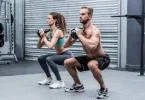
Beginners should focus on simple movements. Examples include squats, wall push-ups, and marching in place.
These exercises build a strong foundation without stressing the body.
Step 4: Add Cardio Exercises
Cardio exercises increase heart rate and improve endurance. Walking, jogging, and cycling are good options.
Start with short sessions and increase time gradually.
Step 5: Include Strength Training
Strength training improves muscle tone and bone strength. Bodyweight exercises are ideal for beginners.
Examples include lunges, planks, and modified push-ups.
Step 6: Practice Flexibility Training
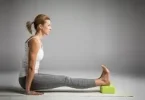
Stretching keeps muscles flexible and joints mobile. It also helps with recovery.
Stretch after workouts when muscles are warm.
Step 7: Cool Down and Recover
Cooling down helps the body return to normal. Slow walking and deep breathing are effective.
Rest days are also part of physical fitness exercises.
Benefits of Physical Fitness Exercises
- Improves heart and lung health
- Builds muscle strength and endurance
- Supports healthy weight management
- Boosts energy levels
- Enhances mental clarity and focus
- Improves flexibility and balance
- Reduces stress and anxiety
- Supports better sleep quality
Disadvantages / Risks
- Risk of injury if done incorrectly
- Overtraining can cause fatigue
- Lack of guidance may lead to poor form
- Ignoring rest days can slow progress
- Existing health conditions may need adjustments
Common Mistakes to Avoid

Many people rush into physical fitness exercises without preparation. Skipping warm-ups is a common mistake that increases injury risk.
Another mistake is doing too much too soon. Progress should be gradual. Comparing yourself to others can also lead to frustration.
Poor posture during exercises reduces effectiveness and may cause pain. Not listening to your body is another major issue. Rest is essential for recovery and growth.
FAQs
1. How often should I do physical fitness exercises?
Most beginners can start with three to four days per week. Consistency matters more than intensity.
2. Can physical fitness exercises be done at home?
Yes, many physical fitness exercises require no equipment and can be done at home easily.
3. Are physical fitness exercises suitable for all ages?
With proper modification, people of all ages can benefit from physical fitness exercises.
4. How long should each workout session be?
A session of thirty to forty-five minutes is enough for most beginners and intermediate individuals.
5. Do I need equipment for physical fitness exercises?
No, bodyweight exercises are effective. Equipment can be added later if needed.
6. When will I see results from physical fitness exercises?
Visible results usually appear after a few weeks of consistent training and proper rest.
Expert Tips & Bonus Points
Focus on form before increasing intensity. Proper technique improves results and safety.
Stay hydrated before and after workouts. Water supports muscle function and recovery.
Track your progress to stay motivated. Simple notes can help you stay consistent.
Mix different physical fitness exercises to avoid boredom and overuse injuries.
Listen to your body and adjust routines as needed.
Conclusion
Physical fitness exercises are a powerful tool for building a healthier and more active life. They do not require perfection, expensive equipment, or extreme routines. What truly matters is consistency, patience, and correct technique. By understanding the basics and following a structured approach, anyone can enjoy the benefits of regular movement.
For beginners, physical fitness exercises create a strong foundation for long-term health. For intermediate individuals, they offer opportunities to improve strength, endurance, and confidence. Over time, exercise becomes more than a task. It becomes a positive habit that supports physical strength and mental balance.
Remember that progress takes time. Small steps lead to big changes when repeated daily. Focus on enjoying the process and listening to your body. With the right mindset and simple routines, physical fitness exercises can become a natural part of your lifestyle and help you feel stronger, healthier, and more energetic every day.