
Introduction
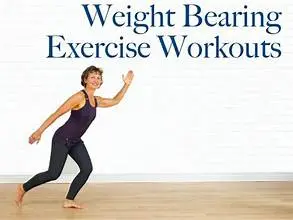
Weight bearing exercises are an essential part of a healthy lifestyle. Whether you are just starting your fitness journey or looking to enhance your current routine, incorporating these exercises can provide numerous benefits for your bones, muscles, and overall health. Unlike cardio workouts, which primarily focus on heart and lung health, weight bearing exercises specifically challenge your muscles and skeletal system by making your body work against gravity.
For beginners, these exercises might seem intimidating, but the truth is they can be simple, effective, and adaptable to any fitness level. From walking and stair climbing to more advanced strength training, weight bearing exercises help build bone density, increase muscle strength, and improve balance. They are particularly important as we age since bone mass naturally declines over time. Regularly performing these exercises can prevent conditions like osteoporosis and reduce the risk of fractures.
In this comprehensive guide, we will explore everything you need to know about weight bearing exercises. You will learn what they are, why they are important, step-by-step instructions for popular exercises, their benefits and risks, common mistakes, expert tips, and frequently asked questions. By the end of this article, you will have all the tools to safely and effectively include weight bearing exercises in your fitness routine. Whether you are a beginner or an intermediate fitness enthusiast, this guide will help you strengthen your body, protect your bones, and feel more confident in your workouts.
What is Weight Bearing Exercise?
Weight bearing exercises are physical activities that make your body work against gravity while staying upright. Simply put, these exercises require your bones and muscles to support your body weight. Unlike swimming or cycling, where the water or bike supports your body, weight bearing exercises place your bones under stress, which stimulates growth and strengthens them over time.
There are two main types of weight bearing exercises:
- High-impact exercises – These exercises involve both your feet leaving the ground, such as jumping, running, or plyometric exercises. They create more stress on your bones, which can increase bone density faster.
- Low-impact exercises – These exercises keep at least one foot on the ground, such as walking or gentle strength training. They are easier on your joints while still offering bone-strengthening benefits.
Common examples of weight bearing exercises include:
- Walking
- Jogging or running
- Hiking
- Stair climbing
- Dancing
- Bodyweight exercises like squats, lunges, and push-ups
The primary goal of weight bearing exercises is to enhance bone strength and overall muscle support. By consistently practicing these movements, your bones adapt to the stress, becoming stronger and less prone to fractures. Additionally, these exercises improve balance and coordination, which reduces the risk of falls, especially in older adults.
Why is Weight Bearing Exercise Important?
Weight bearing exercises are more than just a way to get fit—they are crucial for long-term health. Here’s why:
- Builds Bone Density – As we age, bone density naturally decreases. Weight bearing exercises stimulate bone-forming cells, making bones stronger and more resilient.
- Prevents Osteoporosis – Stronger bones mean a lower risk of osteoporosis, a condition that weakens bones and increases fracture risk.
- Strengthens Muscles – These exercises engage multiple muscle groups, helping improve strength, tone, and endurance.
- Enhances Balance and Coordination – By working muscles that stabilize your body, weight bearing exercises help prevent falls and injuries.
- Supports Joint Health – Unlike high-impact workouts that can strain joints, controlled weight bearing exercises promote joint stability and flexibility.
- Boosts Metabolism – Strengthening muscles through weight bearing exercises increases calorie burn and supports weight management.
For beginners, it’s especially important to start with low-impact weight bearing exercises and gradually progress to more challenging routines. This approach ensures safety while maximizing long-term benefits. Intermediate exercisers can combine low- and high-impact exercises for optimal results.
Detailed Step-by-Step Guide
Here is a comprehensive guide to performing weight bearing exercises safely and effectively.
Walking
Steps:
- Stand tall with your shoulders relaxed.
- Take a step forward, landing on your heel first, then roll onto your toes.
- Swing your arms naturally to maintain balance.
- Keep a steady pace and gradually increase distance or incline for more challenge.
Tips:
- Walk briskly for at least 30 minutes, 5 times a week.
- Use proper shoes to avoid joint strain.
Stair Climbing
Steps:
- Start at the bottom of a staircase with feet shoulder-width apart.
- Step up with your right foot, then left foot, and bring your body fully onto the step.
- Repeat while maintaining upright posture and engaging your core.
Tips:
- Perform for 10–15 minutes initially, then gradually increase duration.
- Use handrails if needed for balance but try not to rely on them fully.
Squats
Steps:
- Stand with feet shoulder-width apart, toes slightly turned out.
- Bend your knees and lower your hips as if sitting on a chair.
- Keep your chest lifted and knees behind your toes.
- Push through your heels to return to standing.
Tips:
- Perform 2–3 sets of 12–15 repetitions.
- Add weights for increased resistance as you progress.
Lunges
Steps:
- Stand upright with feet together.
- Step forward with your right foot, lowering your hips until both knees are at 90-degree angles.
- Push back to the starting position and repeat with the left leg.
Tips:
- Maintain balance by engaging your core.
- Avoid letting your front knee extend beyond your toes.
Push-Ups
Steps:
- Begin in a plank position with hands under shoulders.
- Lower your body until your chest nearly touches the floor.
- Push back up to the starting position.
Tips:
- Modify by doing knee push-ups if needed.
- Perform 2–3 sets of 10–15 reps.
Jumping Exercises (High-Impact)
Steps:
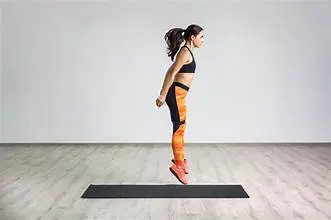
- Stand with feet hip-width apart.
- Bend your knees slightly and jump straight up.
- Land softly on your toes, bending knees to absorb impact.
Tips:
- Limit to 2–3 times per week to avoid joint strain.
- Start with 10–15 jumps per set.
Benefits of Weight Bearing Exercises
Weight bearing exercises provide a wide range of benefits for physical and mental health. Key advantages include:
- Stronger Bones – Reduces the risk of fractures and osteoporosis.
- Muscle Strength – Engages multiple muscle groups for overall strength.
- Better Balance and Coordination – Improves stability and reduces fall risk.
- Enhanced Joint Health – Supports healthy cartilage and ligaments.
- Weight Management – Burns calories and boosts metabolism.
- Improved Mood – Releases endorphins that help reduce stress and anxiety.
- Increased Stamina – Builds endurance for daily activities and sports.
Disadvantages / Risks
While weight bearing exercises are generally safe, there are some risks, particularly if done incorrectly:
- Joint Strain – High-impact exercises can stress knees, ankles, and hips.
- Muscle Soreness – Beginners may experience temporary soreness.
- Injury Risk – Poor form or excessive weight can lead to sprains or fractures.
- Overtraining – Excessive exercise without rest can cause fatigue and reduce effectiveness.
Common Mistakes to Avoid

- Skipping Warm-Up – Always prepare your muscles and joints to reduce injury risk.
- Poor Form – Incorrect posture or movement can cause strain.
- Ignoring Progression – Start slow and gradually increase intensity.
- Neglecting Rest Days – Muscles and bones need recovery time.
- Over-Reliance on High-Impact Exercises – Mix low- and high-impact workouts for safety.
- Wearing Wrong Footwear – Proper shoes are essential for joint protection.
FAQs
1. How often should I do weight bearing exercises?
Aim for at least 3–5 times a week, combining low- and high-impact exercises. Beginners can start with 15–20 minutes, gradually increasing duration and intensity.
2. Are weight bearing exercises safe for older adults?
Yes, low-impact exercises like walking, stair climbing, and bodyweight strength training are safe and highly recommended for older adults to maintain bone density and balance.
3. Can weight bearing exercises help with osteoporosis?
Absolutely. Regular weight bearing exercises stimulate bone growth, reduce bone loss, and lower the risk of fractures. Consult a doctor before starting if you have severe osteoporosis.
4. Should I do weight bearing exercises every day?
It’s important to have rest days for recovery. 3–5 sessions per week are sufficient for most people, balancing intensity and recovery.
5. Can I combine weight bearing exercises with cardio?
Yes. Cardio exercises like walking, jogging, or dancing can complement weight bearing routines, improving both cardiovascular health and bone strength.
6. Do I need special equipment for weight bearing exercises?
Not necessarily. Many exercises, like walking, squats, and push-ups, require no equipment. Resistance bands, dumbbells, or ankle weights can enhance results as you progress.
Expert Tips & Bonus Points
- Focus on Form First – Proper technique is more important than intensity.
- Gradually Increase Load – Slowly add weight or intensity to avoid injury.
- Include Variety – Mix different exercises to work all major muscle groups.
- Track Progress – Keep a log of exercises, reps, and weights to stay motivated.
- Engage Core Muscles – Always activate your core to improve stability and posture.
- Stretch After Workouts – Stretching enhances flexibility and reduces soreness.
- Stay Consistent – Regular practice is key to long-term bone and muscle health.
Bonus Tip: Try incorporating functional exercises like step-ups or carrying light weights while walking. These simulate daily activities and further strengthen bones and muscles.
Conclusion
Weight bearing exercises are a vital part of a healthy lifestyle, suitable for beginners and intermediates alike. By making your body work against gravity, these exercises strengthen bones, tone muscles, and improve balance, coordination, and overall health. Starting with simple activities like walking, stair climbing, and bodyweight exercises, and gradually progressing to more challenging routines, you can enjoy long-term benefits while minimizing risks.
The key to success is consistency, proper form, and gradual progression. Avoid common mistakes like skipping warm-ups, overtraining, or neglecting rest days, and combine different exercises to engage all major muscle groups. Over time, you will notice improvements in strength, stamina, and confidence, while protecting your bones from age-related decline.
Whether your goal is to prevent osteoporosis, build muscle, or enhance everyday function, weight bearing exercises provide a simple, effective, and sustainable solution. Make them a regular part of your routine, and you’ll be investing in a stronger, healthier body for years to come.