
Introduction
Fitness & nutrition are two of the most important aspects of a healthy lifestyle. While many people focus on one or the other, the truth is that combining them is the key to achieving long-lasting results. Whether you are just starting your fitness journey or looking to improve your current routine, understanding the relationship between exercise and diet can make all the difference.
For beginners, fitness & nutrition might seem overwhelming at first. There are countless workout plans, diets, supplements, and advice available online, making it difficult to know where to start. However, the principles of fitness & nutrition are simple: your body needs consistent movement, proper nutrition, and recovery to perform at its best.
This guide is designed to help both beginners and intermediate readers develop a solid understanding of fitness & nutrition. We will cover what it is, why it matters, step-by-step strategies, common mistakes to avoid, and expert tips to maximize your results. By the end of this article, you will have a clear roadmap to improve your physical health, energy levels, and overall well-being.
If your goal is to build strength, lose weight, or simply feel more energized throughout the day, fitness & nutrition is the foundation you need. With commitment, patience, and the right knowledge, you can create a lifestyle that supports your health goals without stress or confusion.
What is Fitness & Nutrition?

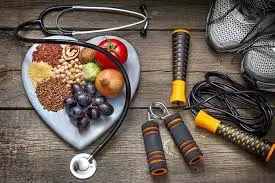
Fitness & nutrition refers to the combined approach of maintaining physical health through regular exercise and eating a balanced, nutrient-rich diet. While fitness focuses on physical activity such as strength training, cardio, and flexibility, nutrition ensures your body receives the vitamins, minerals, and energy it needs to function effectively.
At its core, fitness & nutrition is about balance. Exercise alone cannot compensate for a poor diet, and eating healthy without being active may not produce the desired physical or mental results. By integrating both, you can improve muscle strength, cardiovascular health, metabolism, and mental well-being.
Key components of fitness & nutrition include:
- Cardiovascular Exercise: Activities like running, swimming, or cycling that strengthen the heart and lungs.
- Strength Training: Resistance exercises that build and maintain muscle mass.
- Flexibility and Mobility: Stretching and mobility exercises that prevent injury and improve movement.
- Balanced Diet: Consuming macronutrients (proteins, fats, carbohydrates) and micronutrients (vitamins, minerals) in proper proportions.
- Hydration: Drinking enough water to support bodily functions and recovery.
- Rest and Recovery: Allowing your body to heal and adapt to physical stress.
Fitness & nutrition is not a quick fix or temporary program. It is a lifestyle approach that promotes sustainable health and energy over time.
Why is Fitness & Nutrition Important?
The importance of fitness & nutrition cannot be overstated. Both physical activity and a balanced diet play a crucial role in overall health, longevity, and quality of life. Here are some reasons why they matter:
- Improves Physical Health: Regular exercise strengthens your muscles, bones, and cardiovascular system, while a nutritious diet provides the essential nutrients your body needs.
- Supports Weight Management: Combining workouts with proper nutrition helps maintain a healthy weight and prevents obesity-related diseases.
- Boosts Mental Health: Fitness & nutrition are linked to improved mood, reduced stress, and better cognitive function. Exercise releases endorphins, and a nutrient-rich diet supports brain health.
- Enhances Energy Levels: Proper fueling through nutrition ensures you have the energy needed for workouts and daily activities.
- Reduces Risk of Chronic Diseases: Regular fitness & nutrition habits lower the risk of diabetes, heart disease, and other chronic illnesses.
- Promotes Longevity: Healthy habits contribute to a longer, more active, and higher-quality life.
By understanding the importance of fitness & nutrition, you can stay motivated and make informed decisions about your health.
Detailed Step-by-Step Guide
Achieving fitness & nutrition goals requires a structured approach. Here’s a detailed guide to help you get started.
Step 1: Set Clear Goals
Before starting, determine your fitness goals. Ask yourself:
- Do I want to lose weight, build muscle, or increase stamina?
- Am I aiming for better overall health or preparing for a specific event?
- How much time can I realistically dedicate to exercise and meal planning?
Setting SMART goals (Specific, Measurable, Achievable, Relevant, Time-bound) ensures clarity and motivation. For example: “I want to lose 5 kg in 2 months by exercising 4 days a week and following a healthy diet.”
Step 2: Create a Workout Plan
A balanced workout plan includes cardio, strength training, and flexibility exercises.
Example Weekly Workout Plan:
- Monday: Cardio (running or cycling, 30–45 mins)
- Tuesday: Strength training (upper body)
- Wednesday: Rest or light yoga/stretching
- Thursday: Cardio (swimming or brisk walking)
- Friday: Strength training (lower body)
- Saturday: Flexibility & mobility exercises
- Sunday: Rest
Tips:
- Start with moderate intensity and gradually increase.
- Focus on compound exercises like squats, push-ups, and lunges to work multiple muscle groups.
- Include recovery days to prevent burnout and injuries.
Step 3: Plan a Healthy Diet
Nutrition is the fuel that powers your workouts and recovery. A healthy diet should be balanced and include:
- Proteins: Chicken, fish, beans, eggs – essential for muscle repair.
- Carbohydrates: Whole grains, fruits, and vegetables for energy.
- Fats: Healthy fats like avocado, nuts, and olive oil for hormone balance.
- Fiber: Supports digestion and keeps you full longer.
- Vitamins & Minerals: Ensure adequate intake of calcium, iron, vitamin D, and others.
Tips:
- Avoid processed foods and excessive sugar.
- Eat smaller, frequent meals to maintain energy levels.
- Drink at least 8 glasses of water per day.
Step 4: Track Your Progress
Monitoring your progress keeps you motivated and helps identify areas for improvement.
- Keep a workout journal or use fitness apps.
- Track meals and calorie intake to ensure you meet nutritional needs.
- Take measurements or progress photos to visually see changes.
Step 5: Prioritize Rest & Recovery
Rest is just as important as exercise. It allows muscles to repair and grow stronger.
- Aim for 7–9 hours of sleep per night.
- Include active recovery days with stretching or light walks.
- Avoid overtraining, which can lead to injuries and fatigue.
Benefits of Fitness & Nutrition
Adopting a consistent fitness & nutrition routine has numerous benefits:
- Increased energy levels and stamina
- Improved mental clarity and focus
- Stronger muscles and bones
- Better weight management and body composition
- Reduced risk of chronic diseases like heart disease and diabetes
- Enhanced immune system
- Better sleep quality
- Improved mood and reduced stress
These benefits make fitness & nutrition more than just a physical improvement—it impacts your entire lifestyle.
Disadvantages / Risks
While fitness & nutrition offer many benefits, there are some risks if not done properly:
- Overtraining or exercising without rest can cause injuries
- Following extreme diets may lead to nutrient deficiencies
- Ignoring professional advice can worsen pre-existing conditions
- Unrealistic expectations may lead to frustration and burnout
- Poor technique in workouts increases the risk of joint and muscle injuries
Being mindful of these risks ensures you enjoy fitness & nutrition safely.
Common Mistakes to Avoid

Beginners often make mistakes that hinder progress. Avoid these:
- Skipping Warm-Ups or Cool-Downs: Leads to injury and delayed recovery.
- Focusing Only on Cardio: Strength training is essential for metabolism and muscle health.
- Ignoring Nutrition: Exercise alone cannot achieve results without proper diet.
- Setting Unrealistic Goals: Can lead to disappointment and quitting.
- Not Staying Consistent: Sporadic efforts will not produce sustainable results.
- Comparing Yourself to Others: Everyone’s fitness journey is unique.
- Neglecting Hydration: Dehydration affects performance and recovery.
FAQs
1. How often should I exercise?
Beginners should aim for at least 3–4 days per week, combining cardio and strength training. Intermediate users can increase to 5–6 days.
2. Can I lose weight without exercise?
Yes, nutrition plays a major role. However, combining exercise with a healthy diet is more effective and sustainable.
3. How important is protein in a diet?
Protein is crucial for muscle repair and growth. Include a source of protein in every meal to support fitness goals.
4. Should I follow a specific diet plan?
A balanced diet is more important than a restrictive plan. Focus on whole foods, portion control, and nutrient diversity.
5. How long before I see results?
Visible results can take 4–8 weeks, depending on consistency, intensity, and individual factors. Focus on progress, not perfection.
6. Can I exercise every day?
Yes, but include a mix of high and low-intensity days, and always allow muscles to recover.
7. Is it okay to cheat on my diet?
Moderation is key. Occasional treats are fine and can help maintain long-term adherence.
8. How do I stay motivated?
Set realistic goals, track progress, find a workout buddy, and celebrate small achievements along the way.
Expert Tips & Bonus Points
- Plan Meals in Advance: Reduces reliance on unhealthy food.
- Mix Cardio and Strength Training: Improves endurance and muscle growth.
- Focus on Form, Not Weight: Correct technique prevents injuries.
- Incorporate Mindful Eating: Pay attention to hunger cues to avoid overeating.
- Listen to Your Body: Rest when needed and avoid pushing through pain.
- Track Macro & Micronutrients: Ensures a balanced diet for optimal performance.
- Include Variety: Different workouts and foods prevent boredom and plateauing.
Bonus: Small lifestyle changes, like taking stairs or walking during breaks, complement your fitness & nutrition routine.
Conclusion
Fitness & nutrition are the pillars of a healthy and fulfilling life. By combining regular exercise with a balanced diet, you can achieve your health goals, improve energy levels, and enhance mental well-being. Whether you are a beginner or at an intermediate stage, the key is consistency, patience, and a willingness to learn.
Starting with small, achievable goals, planning workouts, and making mindful nutrition choices can make the process enjoyable rather than overwhelming. Avoid common mistakes, track your progress, and incorporate expert tips to maximize results. Remember, fitness & nutrition is not just a short-term effort—it is a lifestyle change that brings lifelong benefits.
Embrace the journey, listen to your body, and stay committed. With the right approach, you can build a stronger, healthier, and happier version of yourself through the power of fitness & nutrition.