

Introduction
Health and fitness are more than just buzzwords—they are the foundation of a long, energetic, and fulfilling life. Whether you are just starting your wellness journey or are looking to improve your current routine, understanding the principles of health and fitness is essential. Many people believe that getting fit means spending hours at the gym or following extreme diets. In reality, achieving a healthy body and mind is about balance, consistency, and smart choices.
From daily exercise to mindful eating and mental wellness, health and fitness cover every aspect of your lifestyle. Beginners often feel overwhelmed with where to start, while intermediate enthusiasts may struggle to find new strategies to improve results. This guide is designed to provide clear, actionable steps to enhance your health and fitness naturally, using simple approaches that fit into any lifestyle.
By the end of this article, you will have a practical understanding of what health and fitness really mean, why it matters, and how to implement effective exercise routines, healthy diets, and wellness tips that deliver lasting results. Whether your goal is weight management, stronger muscles, better energy, or overall wellness, this guide has everything you need to succeed.
What is Health and Fitness?

Health and fitness are two interconnected aspects of well-being. Health refers to the overall state of your body and mind, including physical, mental, and emotional wellness. Fitness, on the other hand, is your body’s ability to perform physical activities efficiently.
A person can be healthy but not fit, or fit but not fully healthy. True health and fitness involve combining the two: maintaining a strong body while supporting mental clarity and emotional balance. It includes cardiovascular strength, flexibility, muscular endurance, proper nutrition, and good mental health practices.
In simpler terms, health and fitness are about creating a lifestyle that allows you to feel energetic, prevent diseases, and live life to its fullest. Small, consistent actions—like a daily exercise routine, balanced meals, and mindfulness—add up to big results over time.
Why is Health and Fitness Important?
The importance of health and fitness cannot be overstated. Here are some reasons why focusing on your wellness is essential:
- Improves Longevity: Regular exercise and proper nutrition help reduce the risk of chronic diseases like heart problems, diabetes, and obesity.
- Boosts Energy: A healthy body processes food and oxygen more efficiently, giving you higher energy levels throughout the day.
- Enhances Mental Health: Physical activity releases endorphins that reduce stress, anxiety, and depression.
- Strengthens Immunity: Good health and fitness practices strengthen your immune system, helping you fight off illnesses.
- Promotes Better Sleep: A balanced lifestyle improves sleep quality, which is crucial for recovery and overall well-being.
- Supports Weight Management: A consistent exercise routine and healthy diet help maintain a healthy weight.
- Increases Confidence: Physical improvements and mental clarity boost self-esteem and confidence.
Investing in health and fitness today ensures a better quality of life tomorrow. Even small changes, when done consistently, make a noticeable difference over time.
Detailed Step-by-Step Guide
Achieving health and fitness is easier when you follow a structured plan. Here’s a step-by-step guide that combines exercise routines, healthy eating, and wellness practices.
Step 1: Set Clear Goals
Start by defining your goals. Are you looking to lose weight, gain muscle, improve endurance, or just feel healthier? Clear goals help you track progress and stay motivated. Write down your short-term (weekly) and long-term (monthly) objectives.
Example:
- Short-term goal: Walk 10,000 steps daily for one week.
- Long-term goal: Lose 10 pounds in three months with consistent exercise and a healthy diet.
Step 2: Build an Exercise Routine
Exercise is the backbone of health and fitness. A well-rounded exercise routine should include:
- Cardio: Activities like walking, jogging, cycling, or swimming improve heart health and burn calories.
- Strength Training: Weightlifting, resistance bands, or bodyweight exercises build muscle and strengthen bones.
- Flexibility Exercises: Yoga or stretching improves mobility, prevents injuries, and relieves tension.
- Balance Training: Simple exercises like standing on one leg enhance coordination and stability.
Tips for Beginners:
- Start with 20–30 minutes a day, 3–5 times a week.
- Gradually increase intensity to avoid burnout or injury.
Step 3: Follow a Healthy Diet
Nutrition is just as important as exercise. A healthy diet fuels your body and supports your fitness goals. Focus on:
- Whole Foods: Vegetables, fruits, lean proteins, whole grains, and healthy fats.
- Hydration: Drink at least 8 glasses of water daily.
- Portion Control: Avoid overeating by listening to your body’s hunger cues.
- Limit Processed Foods: Reduce sugar, refined carbs, and fried foods.
Example Daily Meal Plan:
- Breakfast: Oatmeal with fruits and nuts
- Lunch: Grilled chicken with quinoa and vegetables
- Snack: Greek yogurt with berries
- Dinner: Baked salmon with sweet potatoes and salad
Step 4: Prioritize Mental Wellness
Health and fitness are not just physical. Mental wellness is equally important. Practices include:
- Mindfulness Meditation: Reduces stress and improves focus.
- Adequate Sleep: Aim for 7–8 hours per night.
- Stress Management: Journaling, deep breathing, or hobbies can lower stress levels.
- Social Support: Surround yourself with positive, motivating people.
Step 5: Track Progress
Monitoring your progress keeps you accountable. Use tools like fitness apps, journals, or simple calendars to log workouts, meals, and moods. Adjust your routine if results plateau.
Tips:
- Measure body stats like weight, waistline, or muscle growth monthly.
- Celebrate small victories to stay motivated.
Benefits of Health and Fitness
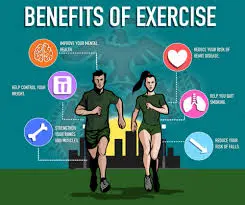
Embracing a consistent health and fitness routine provides countless advantages:
- Improves heart health and lung capacity
- Increases strength, endurance, and flexibility
- Enhances mental clarity and focus
- Supports weight loss and muscle building
- Boosts energy and reduces fatigue
- Strengthens immunity against diseases
- Improves posture and reduces back pain
- Enhances self-esteem and confidence
- Promotes longevity and better quality of life
Disadvantages / Risks
While health and fitness have immense benefits, ignoring precautions can cause issues:
- Overtraining can lead to injuries like strains or sprains
- Poor form during exercises increases risk of joint damage
- Extreme diets may cause nutrient deficiencies
- Inconsistent routines yield limited results
- Ignoring mental health can lead to burnout or stress
Tip: Balance and moderation are key. Avoid shortcuts and focus on sustainable habits.
Common Mistakes to Avoid
Beginners and even intermediate fitness enthusiasts often make these errors:
- Skipping Warm-Ups or Cool-Downs: Leads to injuries and slow recovery.
- Following Fad Diets: Quick fixes may harm metabolism.
- Neglecting Rest Days: Muscles need recovery to grow stronger.
- Setting Unrealistic Goals: Leads to frustration and burnout.
- Ignoring Form and Technique: Poor execution reduces effectiveness and increases injury risk.
- Overemphasizing Cardio Only: Strength and flexibility are equally important.
- Not Tracking Progress: Makes it hard to identify what works.
FAQs
1. How often should I exercise for health and fitness?
Aim for 3–5 days a week with a mix of cardio, strength, and flexibility exercises. Consistency matters more than intensity at the beginning.
2. Can I achieve results without a gym membership?
Yes. Home workouts using bodyweight exercises, resistance bands, or outdoor activities like walking or cycling are very effective.
3. How important is diet in achieving fitness goals?
Diet is equally important as exercise. A healthy diet fuels workouts, aids recovery, and supports weight management.
4. What’s the best exercise for beginners?
Walking, jogging, bodyweight squats, push-ups, and basic stretching are excellent starting points.
5. How do I stay motivated to maintain health and fitness?
Set clear goals, track progress, celebrate small wins, and vary your routine to keep it fun.
6. Is mental wellness part of health and fitness?
Absolutely. Reducing stress, improving sleep, and practicing mindfulness are vital for overall wellness.
7. How long will it take to see results?
Beginners may notice improvements in energy and mood within a few weeks. Visible changes in body composition may take 8–12 weeks with consistent effort.
8. Can I combine weight loss and muscle gain?
Yes, but it requires a balanced diet with enough protein and a mix of cardio and strength training.
Expert Tips & Bonus Points
- Consistency Over Perfection: It’s better to exercise 20 minutes daily than 2 hours once a week.
- Mix It Up: Change routines every 4–6 weeks to prevent plateaus.
- Listen to Your Body: Rest if you feel pain or fatigue.
- Use Small Wins: Gradual improvements lead to sustainable results.
- Mindful Eating: Eat slowly and pay attention to hunger cues.
- Track Sleep: Good sleep improves performance and recovery.
- Stay Hydrated: Water is essential for energy, digestion, and overall health.
- Include Fun Activities: Dancing, sports, or hiking keeps fitness enjoyable.
Bonus Tip: Combine social support with accountability apps or workout partners to stay consistent and motivated.
Conclusion
Health and fitness are not just goals—they are a lifestyle. By prioritizing exercise routines, maintaining a healthy diet, and adopting wellness tips, you can transform both your body and mind. Beginners should focus on small, manageable changes, while intermediate enthusiasts can challenge themselves with varied routines and advanced nutrition strategies.
Consistency, balance, and mindfulness are the keys to long-term success. Avoid common mistakes like overtraining, fad diets, and neglecting rest, and always listen to your body. Remember, every step toward better health counts, no matter how small.